
What sport is right for my child?
The best sport is not always the most popular one. It is the one that matches your child’s age, personality, interests, and natural way of moving.

Sport and regular physical activity can play a valuable role in every child’s education, supporting both physical and emotional health. But choosing where to begin can feel overwhelming. This guide will help you narrow the field and find an activity that fits your child.
The short answer
The right sport is one your child is excited to return to. Let them sample different activities, follow their interests, and value enjoyment and growth over early results.
Why sport matters
Children have an incredible amount of energy. Sport gives that energy somewhere positive to go while helping them develop strength, coordination, confidence, self-control, and teamwork.
Regular movement also supports long-term health. Just as importantly, sports introduce children to new situations in which they learn how to make decisions, solve problems, take responsibility, and work toward a goal.
Build coordination, balance, strength, and endurance.
Practice awareness, analysis, and decision-making.
Learn communication, responsibility, and teamwork.
Meet challenges and see steady effort turn into progress.
“Your role is to open the door. Your child’s curiosity should decide which way they walk through it.”
What is the best age to start?
Every sport has its own entry point, but there is no universal “perfect age.” Early experiences should feel playful rather than restrictive. Where possible, let your child choose—or guide them toward realistic options based on budget, time, and location.
Explore and play
Choose activities that develop body awareness, basic coordination, and confidence through games. Formal competition is rarely the priority.
Build a broad base
Children can explore individual and team sports, refine motor skills, and discover whether they enjoy cooperation, personal challenges, or both.
Add competition thoughtfully
Competition can become motivating when the environment still values learning, friendship, and steady improvement—not only results.
Keep in mind: Age ranges are a starting point, not a deadline. Readiness, interest, and the quality of the program matter more than starting first.
How to choose without the pressure
Before enrolling for a full season, watch a class or try a short introductory program. Pay attention to what energizes your child—not just what they are immediately good at.
Four questions to ask
- Does my child enjoy team play, solo progress, or a mix of both?
- Do they prefer fast action, careful technique, creativity, or the outdoors?
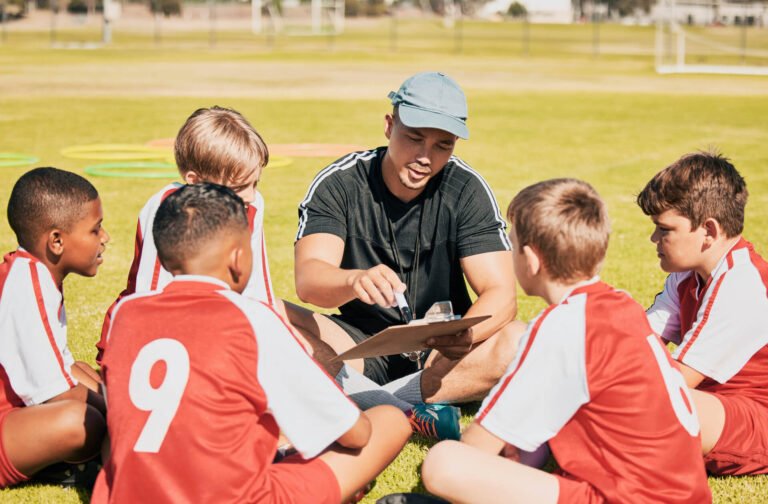
- Is the coach encouraging, age-appropriate, and focused on development?
- Can this activity fit our family’s schedule and budget consistently?
Nine sports worth trying
There is no single best option. These activities offer different combinations of teamwork, fitness, skill, focus, and fun.
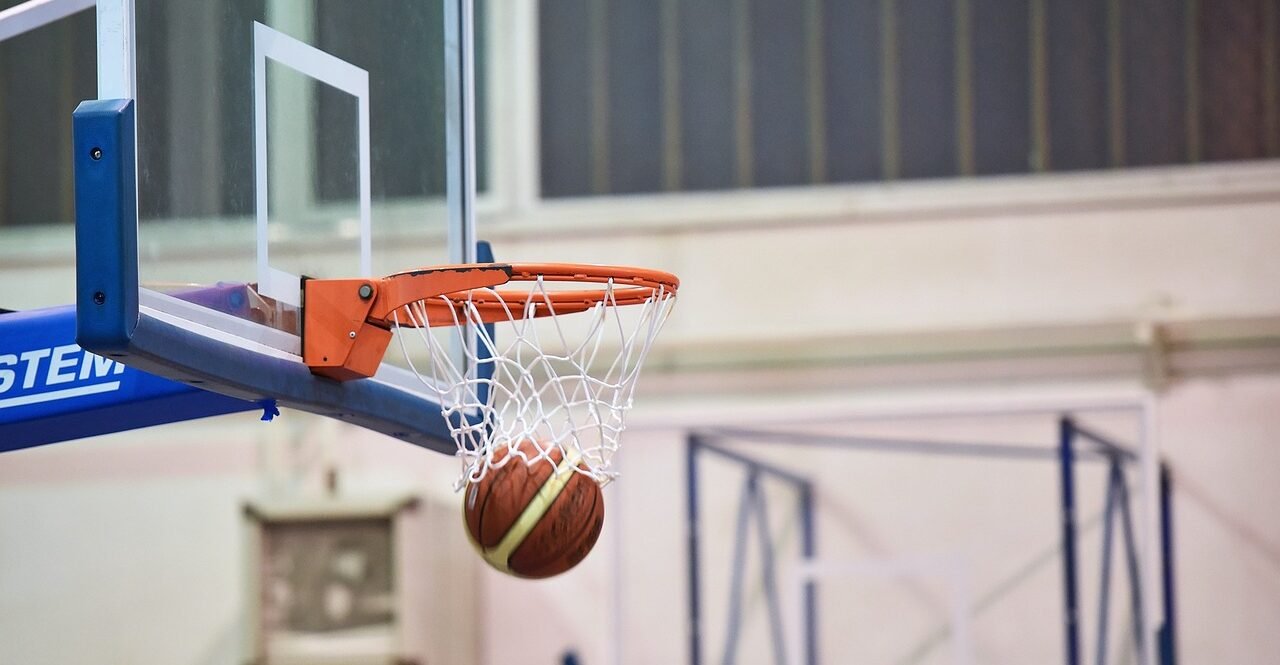
Basketball
Fast movement, quick decisions, and constant communication make basketball a strong fit for energetic children who enjoy working with others. It develops cardiovascular fitness, coordination, spatial awareness, and problem-solving.
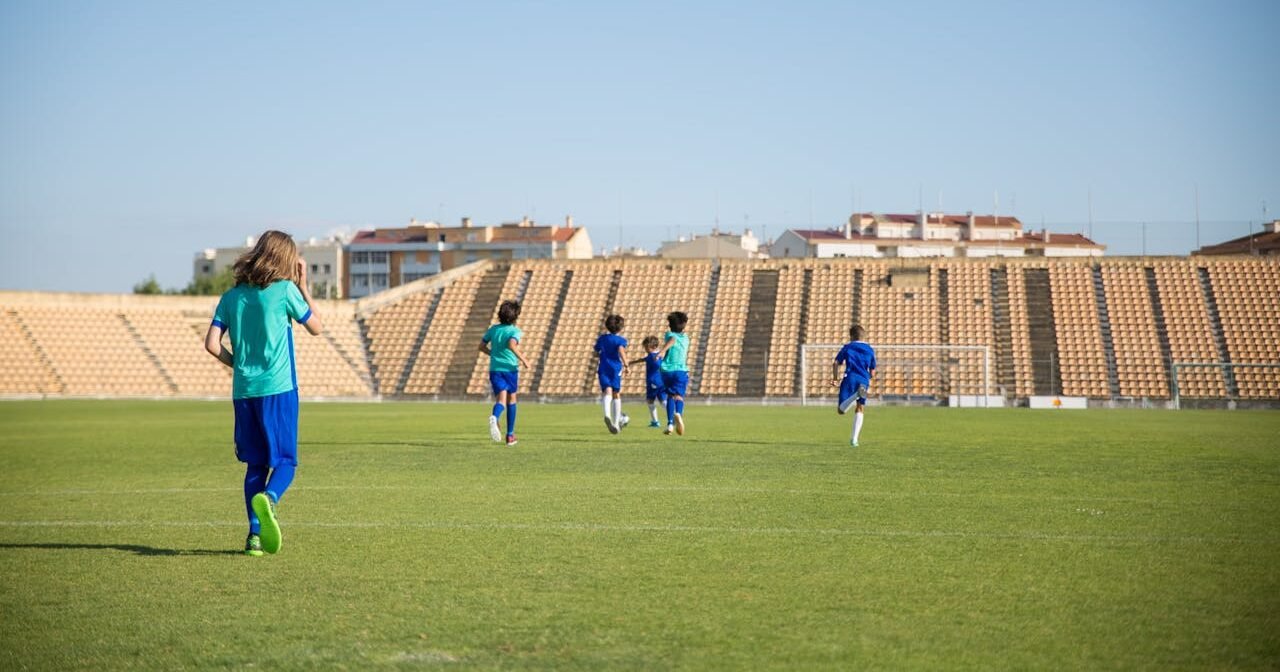
Soccer
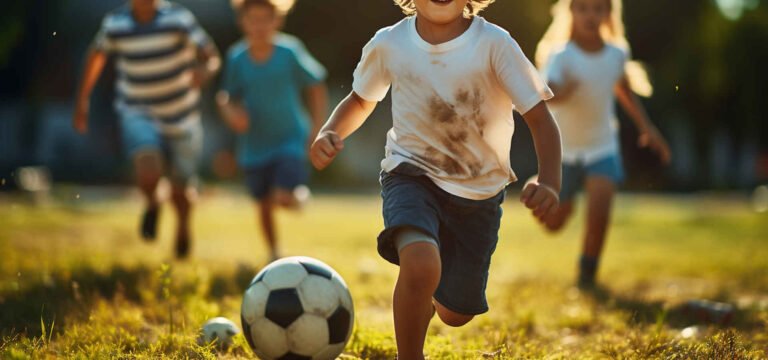
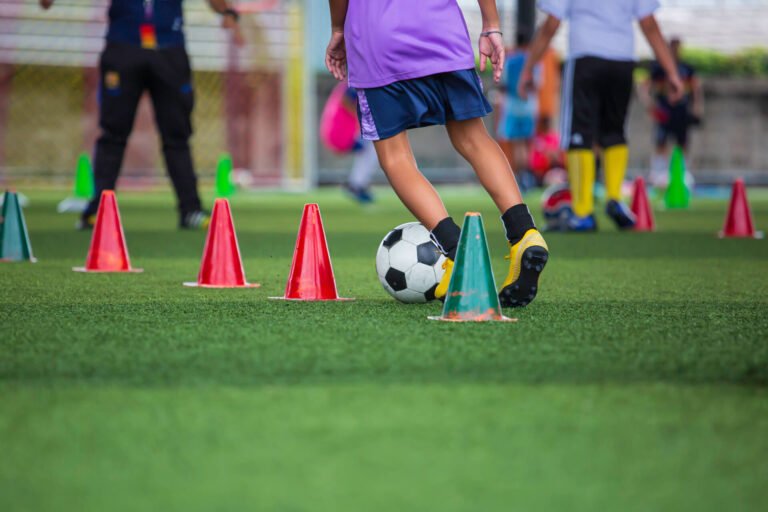
Soccer is simple to start: a ball and a little space are enough. It builds endurance, ball skills, and friendships, and children can practice alone, with a few friends, or as part of a full team.
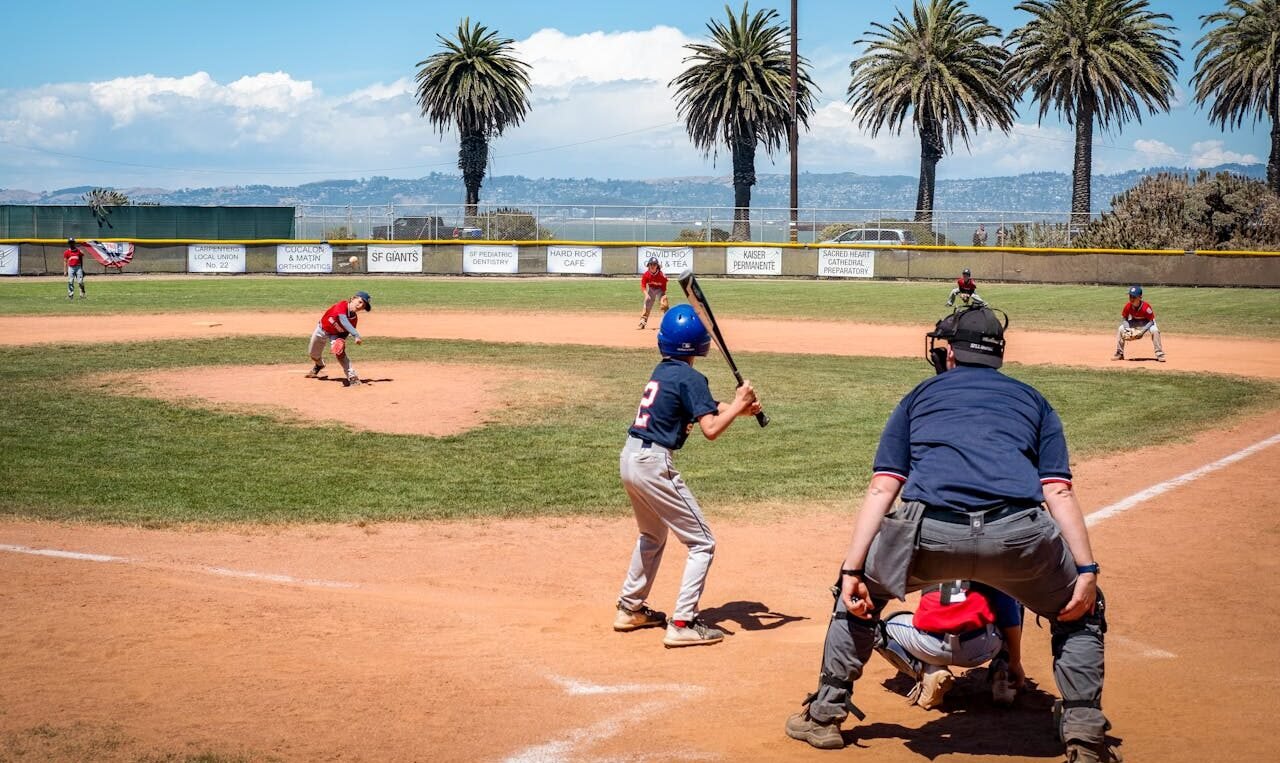
Baseball
Running, throwing, catching, and batting develop motor skills and fitness. Baseball also rewards patience, planning, communication, and resilience—valuable lessons whether a child wins or loses.
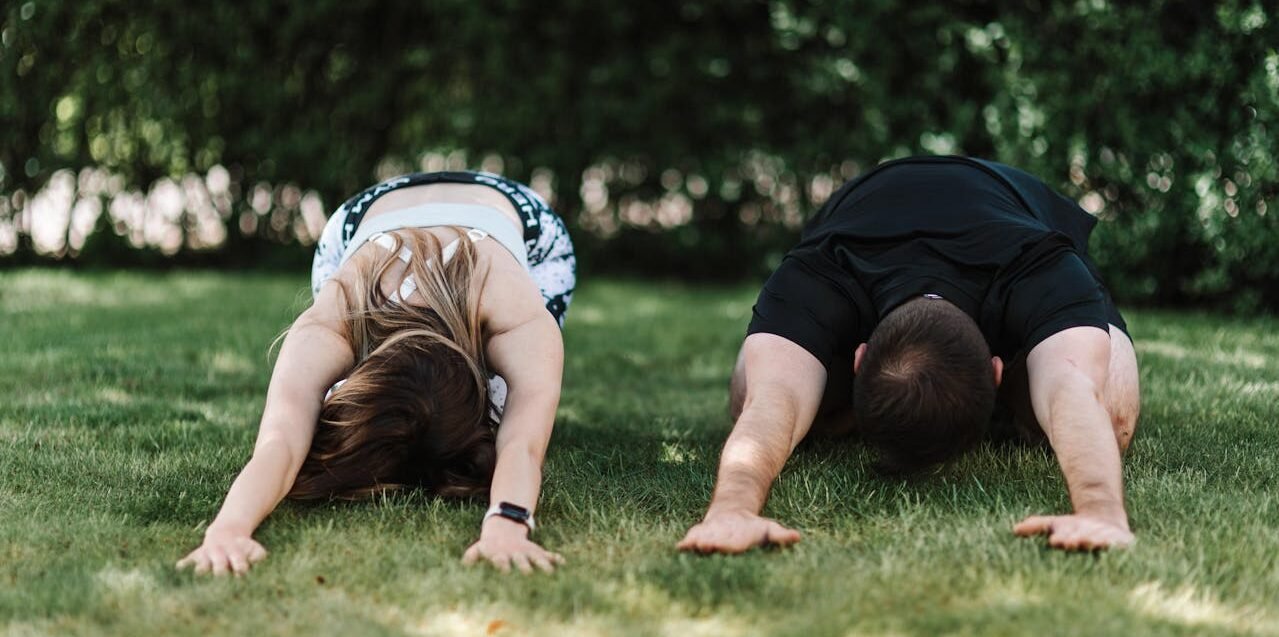
Yoga
Age-appropriate yoga develops body awareness, mobility, balance, and concentration. Its emphasis on breathing can also help children channel emotions and release tension—and it is easy to practice together at home.
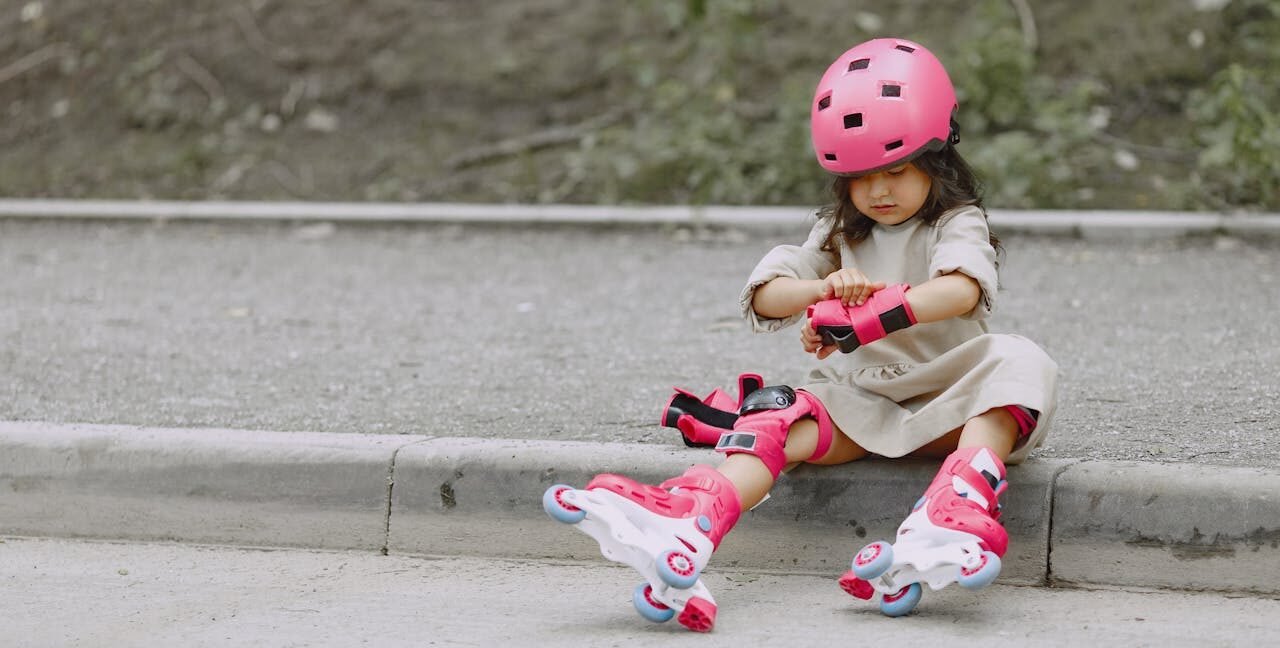
Rollerblading
Rollerblading turns a family outing into a playful physical challenge. It builds balance, leg strength, and confidence. Start on a smooth, quiet surface and always use a helmet and protective gear.
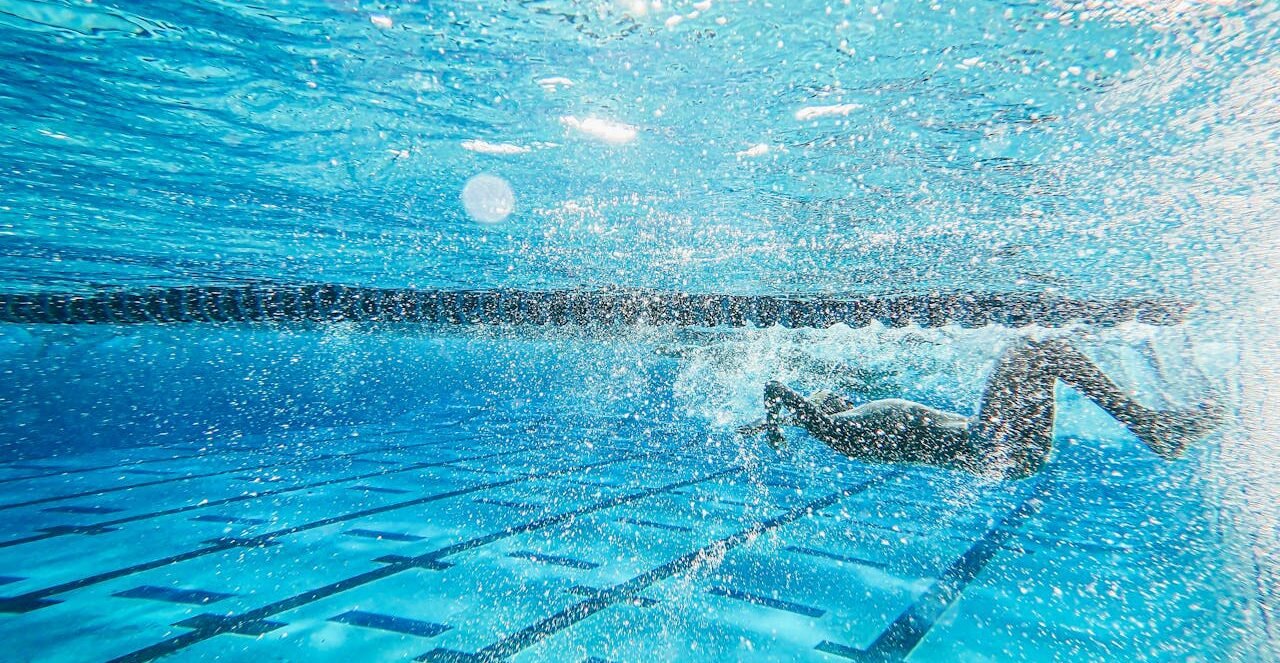
Swimming
Swimming can begin with parent-and-child water familiarization before progressing to lessons. It builds whole-body coordination and confidence while teaching an important life skill in a carefully supervised setting.
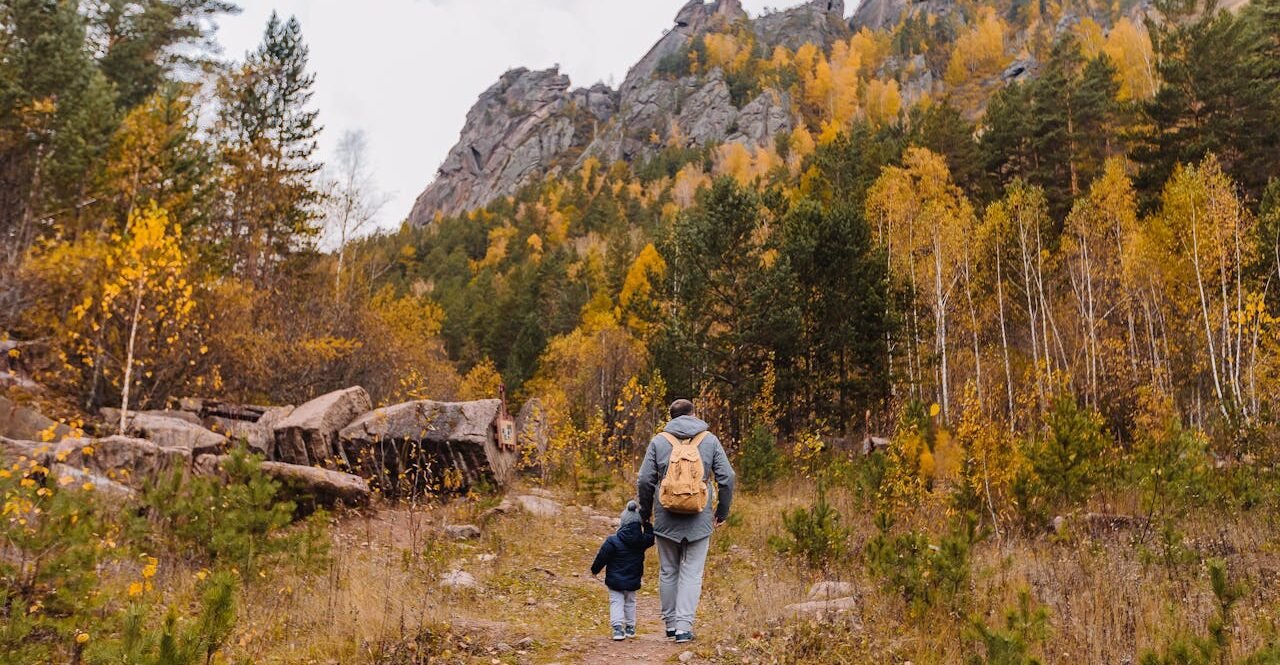
Hiking
Hiking suits families who love fresh air and shared challenges. It builds endurance and navigation skills with minimal setup. For younger children, turn the walk into a scavenger hunt or nature-spotting game.
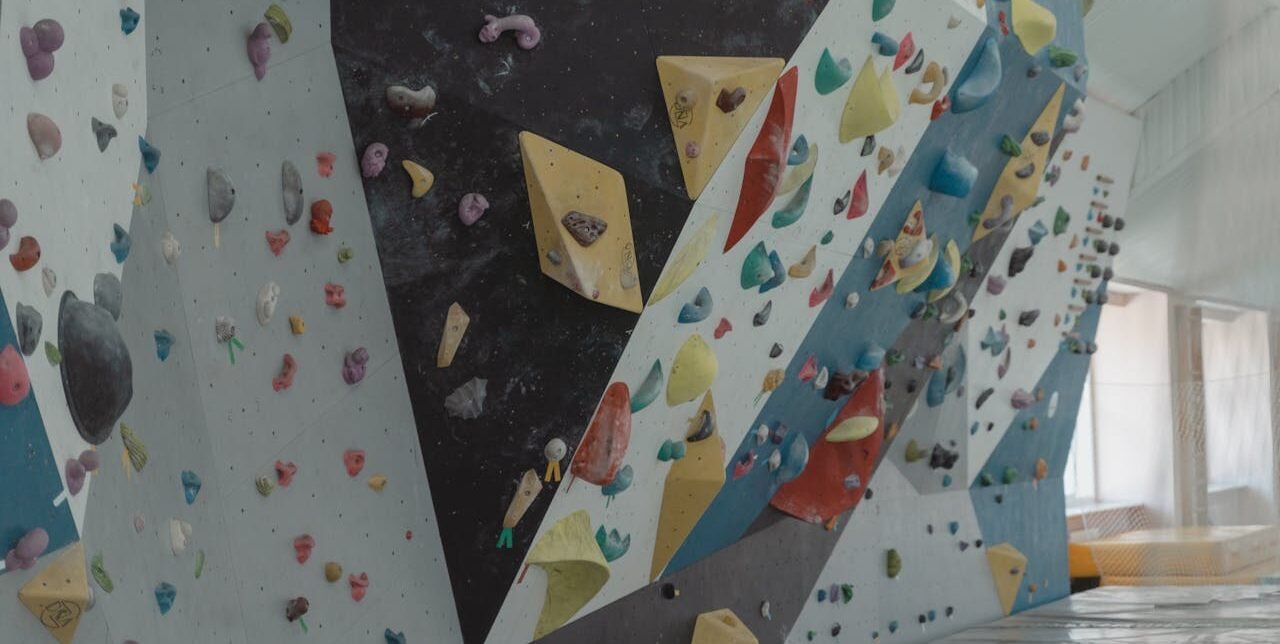
Climbing
Modern climbing centers offer playful, age-appropriate routes in controlled environments. Climbing encourages children to coordinate movement, solve physical puzzles, manage apprehension, and trust their abilities.
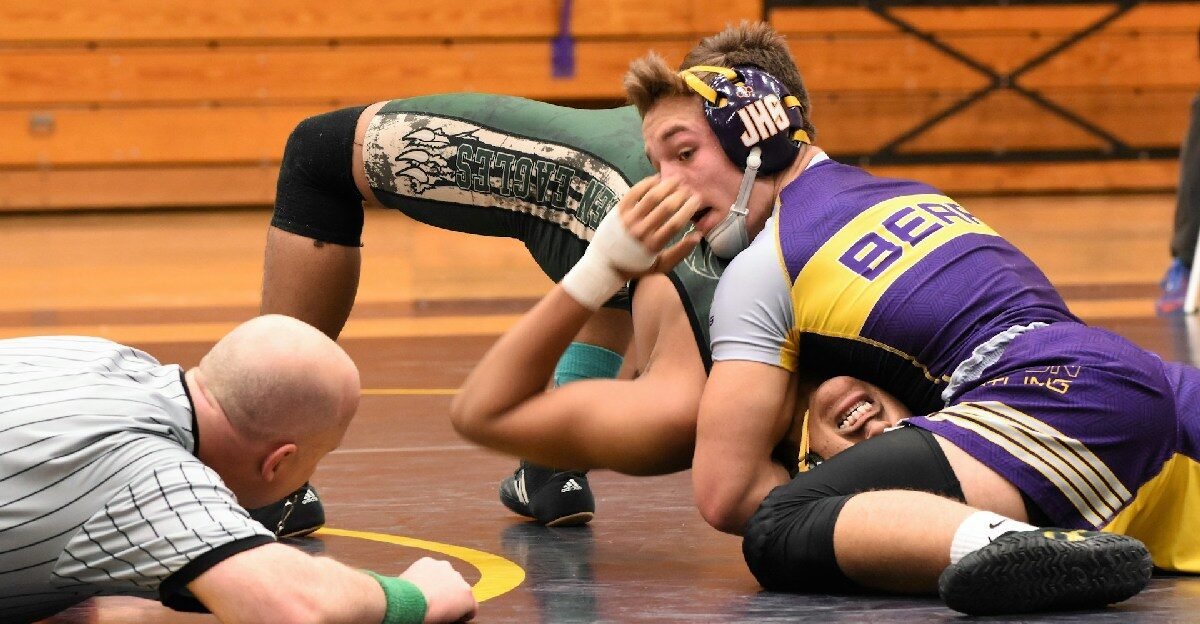
Wrestling
In a well-run program, wrestling and other martial sports give energetic children a structured way to develop body control, discipline, respect, and self-confidence. Look for a school that puts safety and character first.
Let enjoyment lead the way.
A child is much more likely to stay active when the sport feels like their choice. Give them room to try, change direction, and grow at their own pace. The goal is not to find a lifelong sport on day one—it is to build a lifelong relationship with movement.
Turn a good idea into a great session.
Build organized, age-appropriate training plans for any sport in minutes with SportyZed.