
What to Look for in a Youth Sports Coach
Choosing a sports team for your child isn’t just about the sport, the schedule, or even the club’s reputation….
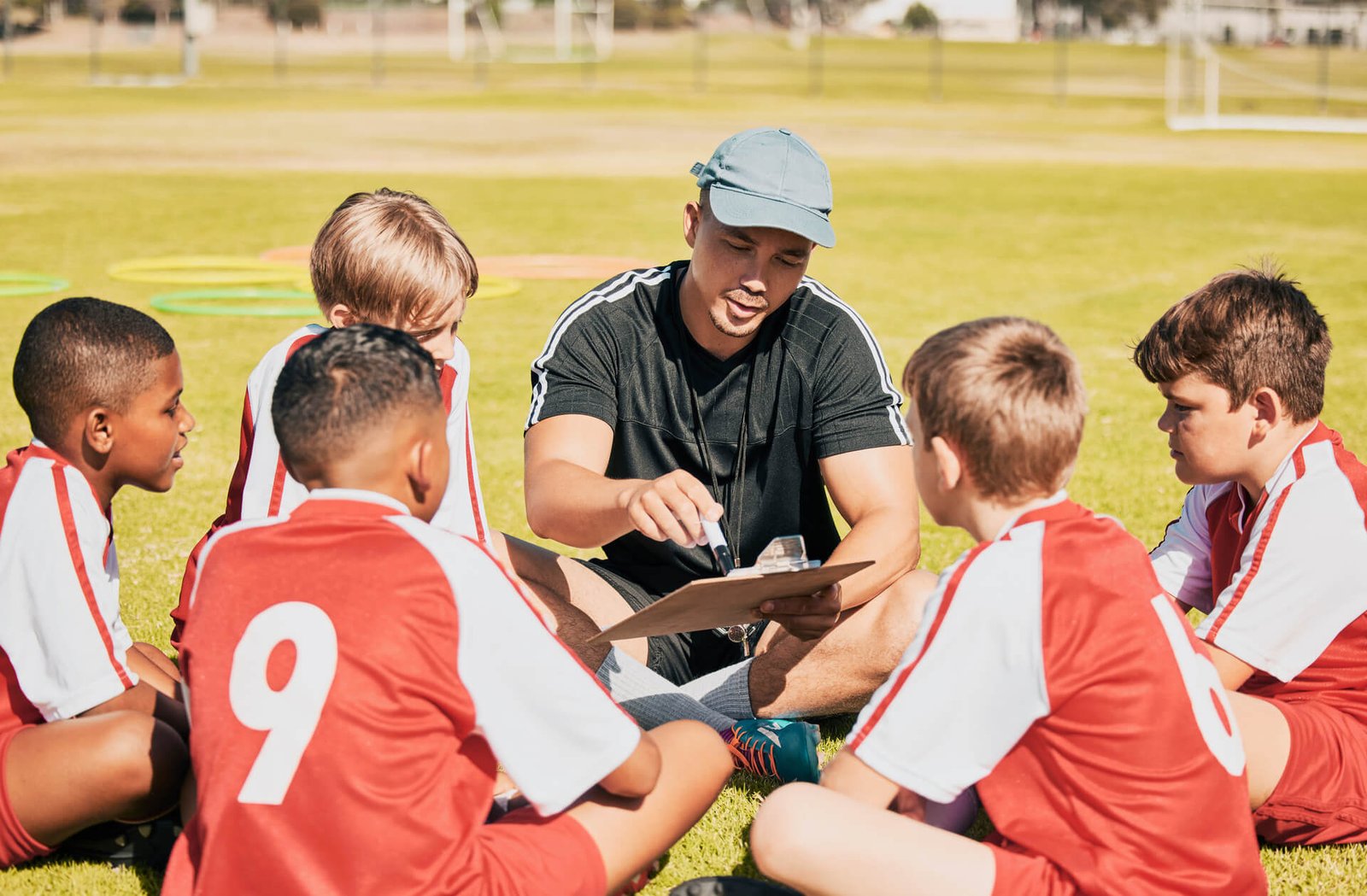
Choosing a sports team for your child isn’t just about the sport, the schedule, or even the club’s reputation. The single biggest factor in your child’s development — and enjoyment — is the coach.
A great youth coach can ignite a lifelong love of sport. A poor one can do the opposite in a single season.
But what makes a great youth sports coach? It isn’t always the one with the most trophies or the loudest voice on the touchline. Here’s what to actually look for.
1. They Prioritise Development Over Results
At youth level, development and results are often in tension. A coach who plays their best players every minute might win more games in the short term. But a coach who gives every child real playing time and focuses on individual improvement is building something far more valuable.
Look for a coach who:
- Rotates players fairly and explains their decisions to the team.
- Celebrates individual progress, not just team wins.
- Talks openly about what the team is working on this season — not just results.
Ask directly: “What’s your philosophy on development vs. winning at this age group?” A good coach will have a clear, thoughtful answer.
2. They Communicate Constructively
Watch a training session or two before signing up. Pay close attention to how the coach communicates mistakes.
A red flag: shouting, sarcasm, or public humiliation when a child makes an error. These approaches kill confidence and are associated with early dropout in youth sport.
A green flag: specific, calm, and encouraging feedback. “Great try — next time, try receiving with your back foot so you can turn immediately.” That kind of coaching builds both skill and self-belief.
- Do they use the child’s name regularly?
- Do they ask questions, or just give orders?
- Do they acknowledge effort as well as outcomes?
3. They Are Organised and Prepared
A great youth coach doesn’t just show up and run some drills. They come with a plan — a session that has structure, purpose, and appropriate challenge for the age group.
Signs of a prepared coach:
- Sessions start on time and have clear activities.
- Drills are explained clearly and adapted if players struggle.
- They track each player’s development over time, not just the team’s form.
You don’t need to see their planning notes to spot this. Just look at whether training sessions feel purposeful, or whether kids are standing around wondering what to do next.
4. They Keep Parents Appropriately Informed
The best youth coaches are transparent with parents — not in a way that invites constant interference, but in a way that builds trust and keeps everyone aligned.
Look for:
- A clear communication channel (WhatsApp group, email updates, or a short briefing at the start of the season).
- Regular feedback on your child’s progress, not just game reports.
- An open-door policy for questions and concerns.
Be wary of coaches who discourage parental contact or who can’t explain what they’re working on when you ask. Transparency isn’t interference — it’s good coaching.
5. They Make Sport Enjoyable
This sounds obvious, but it’s easy to overlook. After every training session, ask your child one question: “Did you have fun today?”
Enjoyment is the number one predictor of whether a child will stick with sport long-term. Research consistently shows that children who enjoy sport are more likely to:
- Continue playing into their teens and beyond.
- Put in more effort at practice.
- Bounce back from setbacks and poor performances.
A coach who creates a positive environment — where mistakes are safe, effort is valued, and training is something children genuinely look forward to — is worth more than any trophy cabinet.
Questions to Ask Before Committing
Before enrolling your child, don’t be afraid to have a short conversation with the coach. Here are five questions that reveal a lot:
- “What does a typical training session look like at this age group?”
- “How do you handle it when a child is struggling or losing confidence?”
- “What’s your policy on playing time?”
- “What are you working on with this group this season?”
- “How do you keep parents updated on their child’s progress?”
A coach who welcomes these questions is already showing you something important about how they work.
A Note on Patience
Even great coaches take time to build relationships with new players. Give it a few weeks before drawing conclusions. A child who is shy or new to the sport may take a while to open up, regardless of how good the coach is.
Your job as a parent is to stay curious, stay positive on the sideline, and trust the process while keeping your eyes open.
—
Sportyzed helps parents stay connected to their child’s training — with structured plans, session logs, and progress tracking designed for families. Explore the planner →