
How to Prevent Sports Injuries in Kids
Sports help children build fitness, confidence, and teamwork, but every activity carries some risk of injury. Parents and coaches…
Sports help children build fitness, confidence, and teamwork, but every activity carries some risk of injury. Parents and coaches can reduce that risk by encouraging sensible preparation, age-appropriate training, proper equipment, and honest communication about pain. These practical steps can help young athletes stay active and enjoy their sport safely.
This article provides general educational information and is not a substitute for advice from a qualified healthcare professional. Seek medical care if a child has a significant injury, persistent pain, or possible concussion symptoms.
1. Warm Up and Cool Down
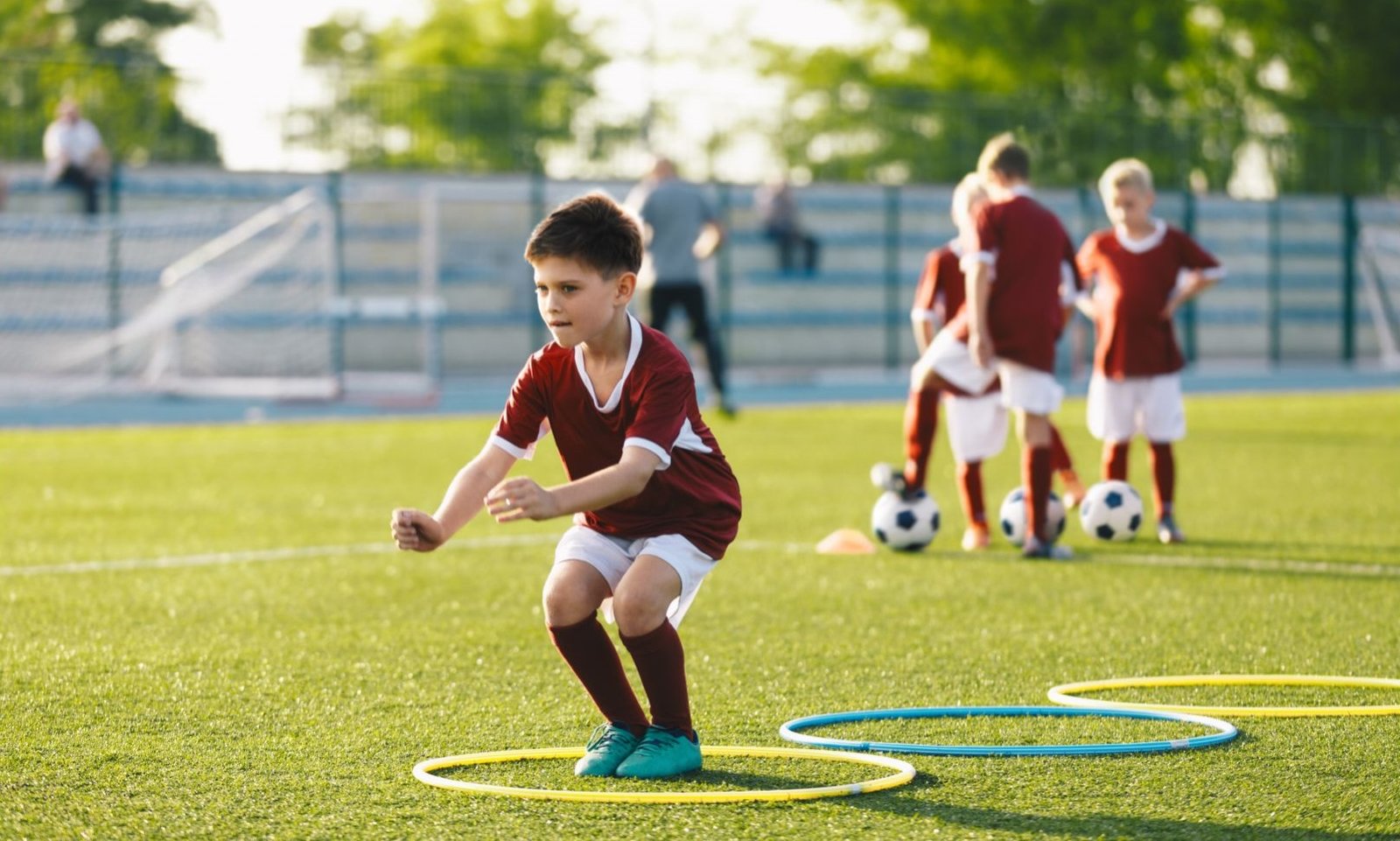
Begin each session with a gradual, sport-specific warm-up. Light movement followed by dynamic exercises—such as leg swings, arm circles, or controlled changes of direction—helps athletes prepare for the movements they are about to perform. After training, lower the intensity gradually and allow time to recover. The warm-up should match the child’s age, fitness, and sport rather than relying on one routine for everyone.
2. Avoid Early Specialization
Repeating the same movement pattern throughout the year can place ongoing stress on the same muscles and joints. A mix of sports, free play, and varied physical activities helps children develop a broader range of movement skills while giving heavily used areas time to recover. Learn more about the benefits of playing multiple sports.
3. Teach Proper Technique
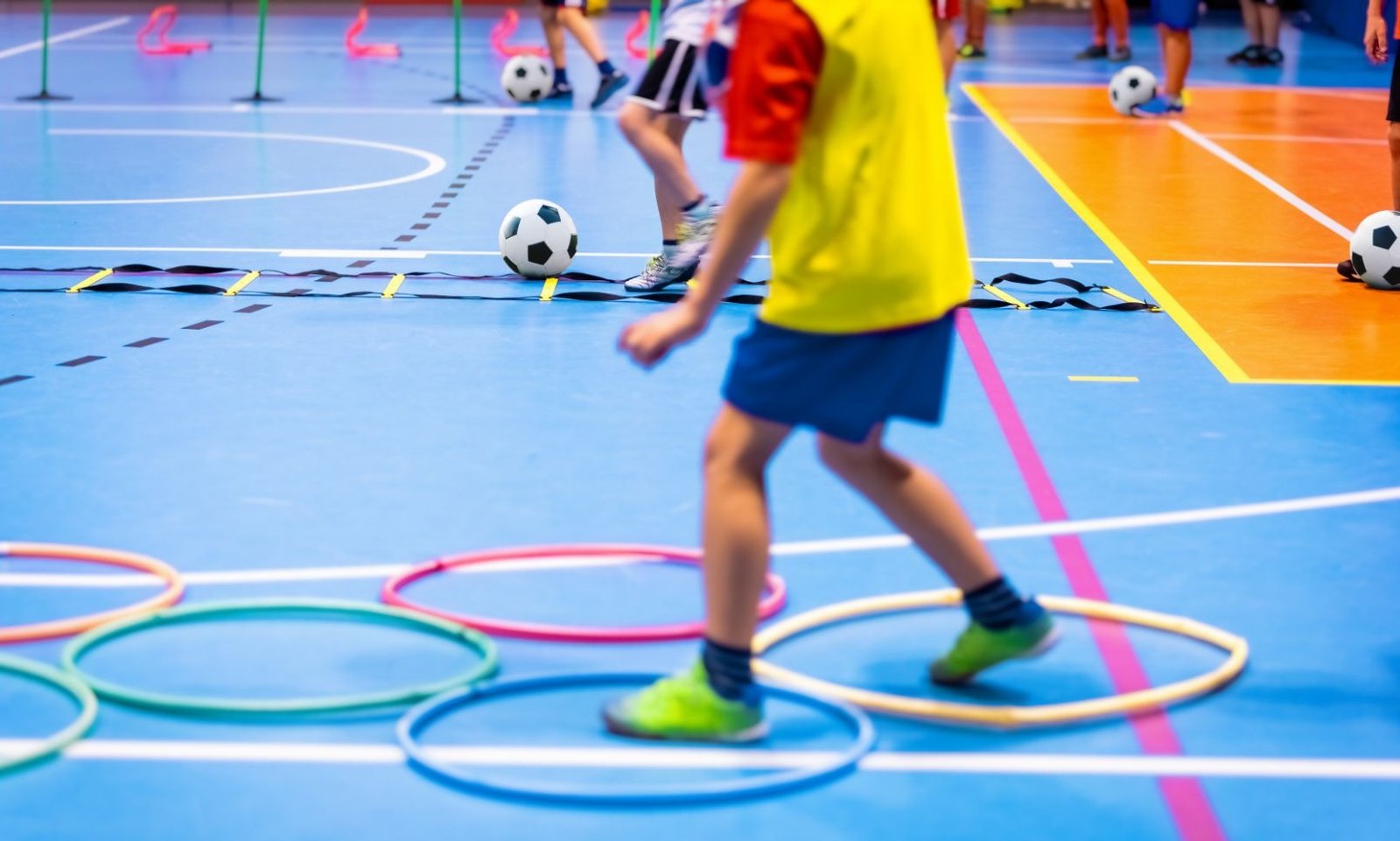
Good technique makes sport more effective and can reduce avoidable risk. Coaches should teach skills in manageable steps, provide clear feedback, and avoid progressing to higher speed or pressure before athletes understand the basic movement. Safe landing, tackling, throwing, and changing-direction techniques should be reinforced regularly by a suitably qualified coach.
4. Use the Right Protective Equipment
Use equipment designed for the sport and make sure it fits correctly. Helmets, pads, mouthguards, footwear, and other protective items should be checked for wear and replaced when damaged or outgrown. Equipment reduces risk, but it does not replace good technique, appropriate supervision, or following the rules. If your child’s sport recommends one, see our guide to choosing a mouthguard for young athletes.
5. Schedule Rest and Recovery
Young bodies need time to recover between demanding sessions. Build regular rest days into the schedule, vary training intensity, and avoid treating every practice as a maximum-effort workout. Persistent fatigue, falling performance, irritability, or loss of enthusiasm can signal that the overall load needs to be reduced. Rest also supports motivation and helps prevent burnout in young athletes.

6. Support Hydration and Nutrition
Encourage athletes to drink regularly before, during, and after activity, especially in hot or humid conditions. Balanced meals and snacks provide the energy and nutrients needed for growth, training, and recovery. Individual needs vary, so families with questions about hydration or nutrition should speak with a pediatrician or qualified sports dietitian.
7. Increase Training Gradually
A sudden jump in training time, intensity, or frequency can overload tissues that have not adapted to the new demand. Increase activity progressively when a child starts a sport, returns after a break, or moves into a more competitive program. Coaches should adjust the plan for age, experience, recent activity, and any guidance from healthcare professionals.
8. Take Pain and Concussion Symptoms Seriously
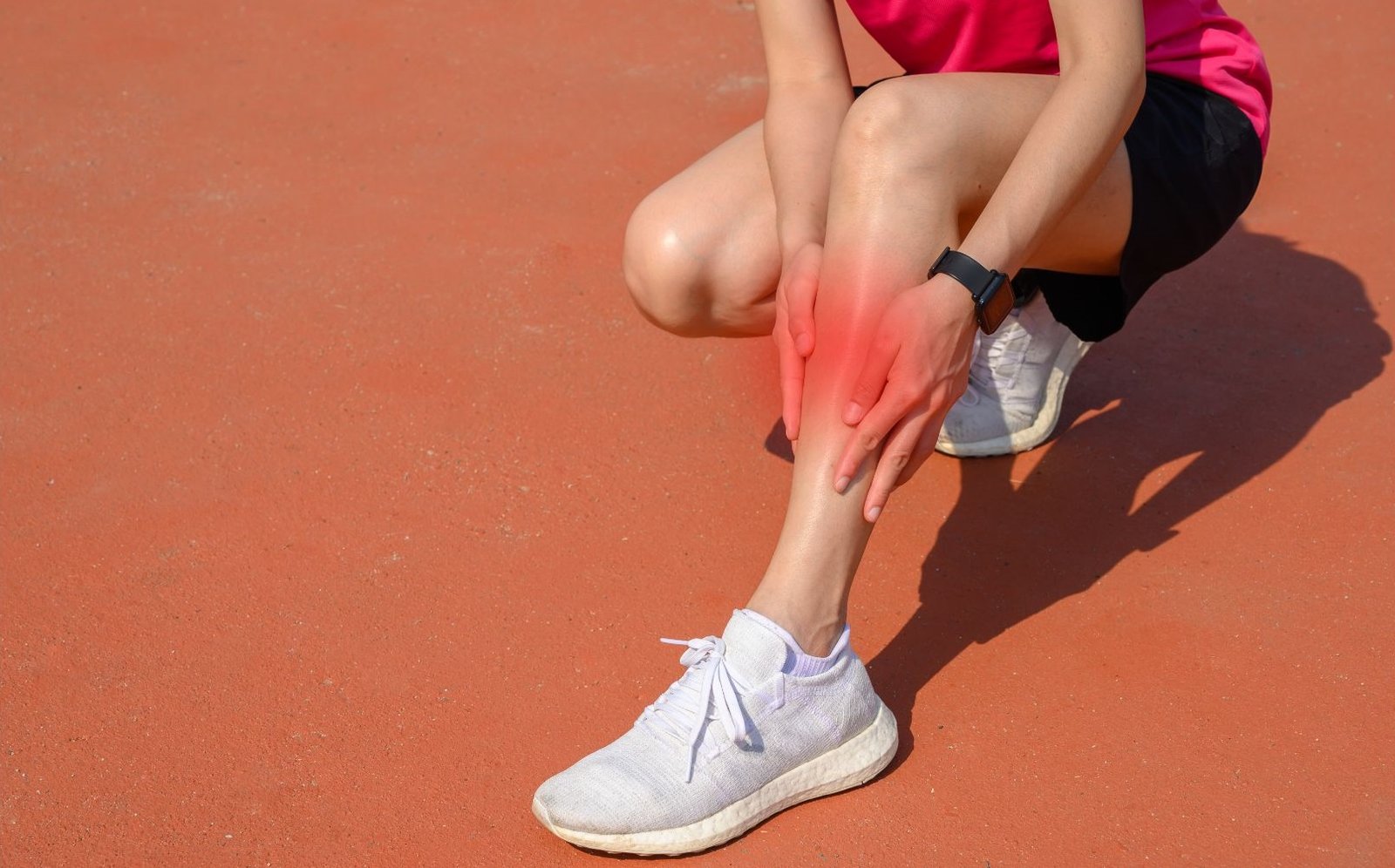
Teach children that reporting pain is responsible, not a sign of weakness. Stop the activity when there is sharp or worsening pain, swelling, loss of normal movement, inability to bear weight, or suspected concussion symptoms. Do not ask an athlete to play through a potentially significant injury. A qualified healthcare professional should assess concerning or persistent symptoms and guide a safe return to sport.
9. Keep Health Checks Up to Date
Follow local requirements for pre-participation sports physicals and share relevant health information with the child’s healthcare professional. A check-up can help families discuss previous injuries, symptoms, medications, and conditions that may affect participation. Coaches should also keep emergency contacts and action plans current.
Conclusion
No strategy can prevent every sports injury, but thoughtful preparation can reduce avoidable risks. Age-appropriate coaching, properly fitted equipment, gradual progression, adequate recovery, and open communication give young athletes a safer foundation. The goal is not to remove every challenge from sport—it is to help children participate confidently, develop well, and keep enjoying the activities they love.